
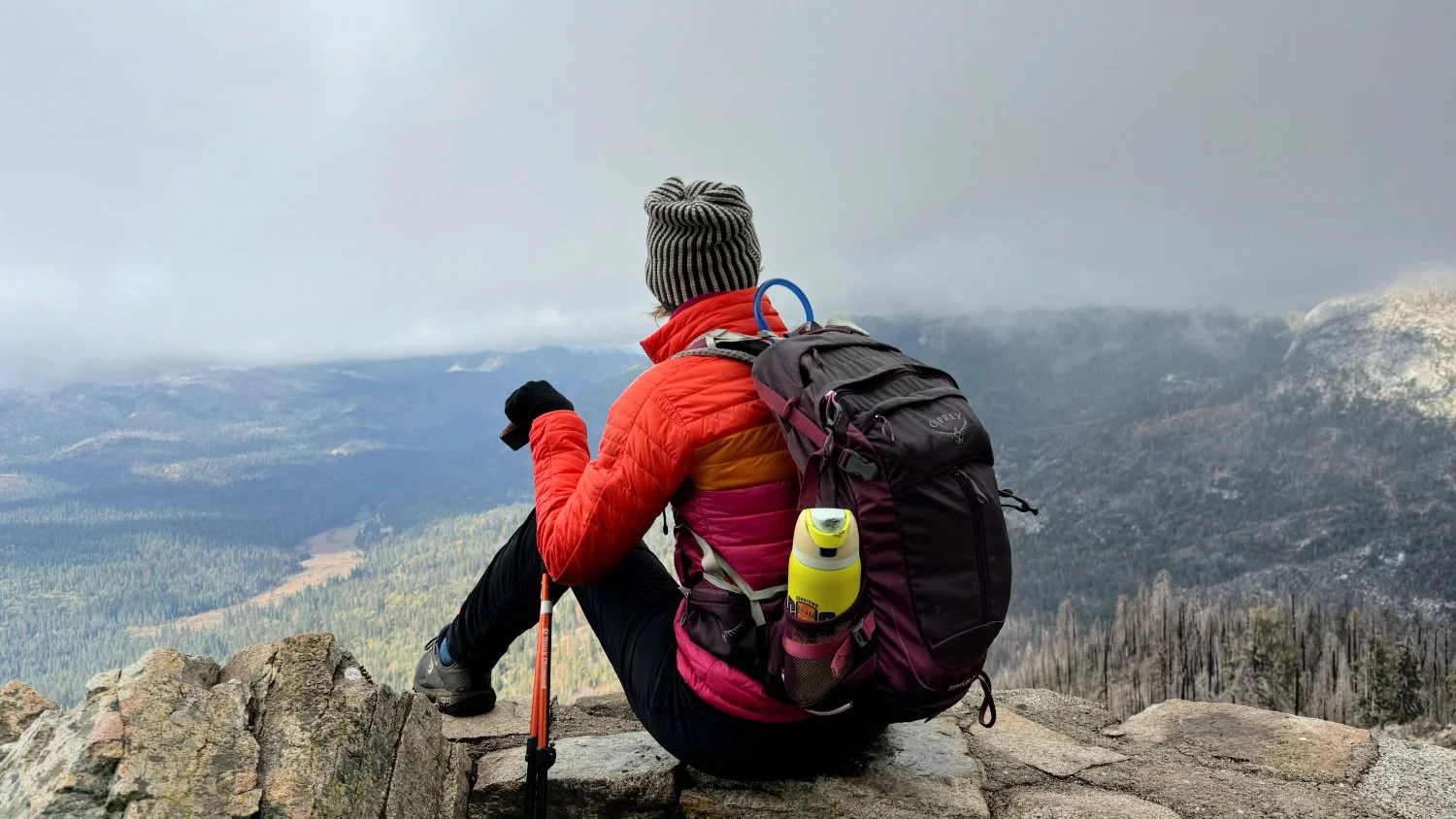
Out on the trail, things rarely go exactly as planned. Weather shifts, gear fails, batteries die, and sometimes the route becomes less obvious than expected. That’s why experienced hikers don’t just pack essentials, they pack backups.
This mindset is rooted in real-world experience. Many seasoned hikers follow the principle that “one is none, two is one,” especially when it comes to safety-critical gear. Organizations like the American Hiking Society emphasize redundancy in navigation, water, and safety tools because even modern devices can fail in the backcountry.
In this guide, you’ll discover what experienced hikers always pack as backup, and why these small additions can make a big difference when conditions change unexpectedly.
Why Backup Gear Matters More Than You Think
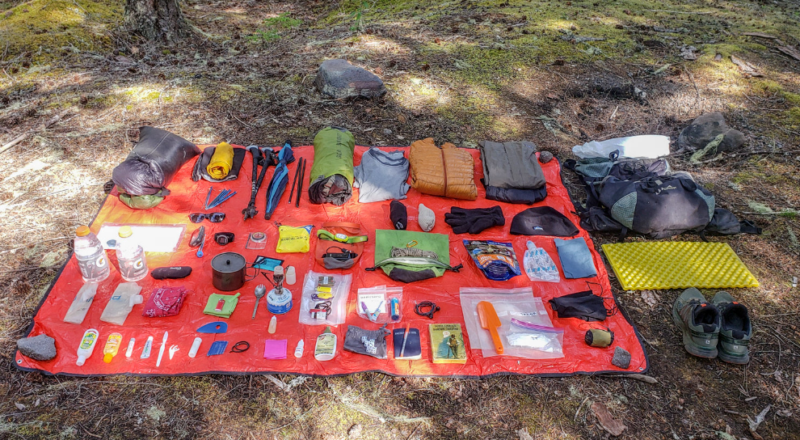
Before diving into specific items, it’s important to understand the philosophy behind backup packing.
Experienced hikers don’t carry duplicates out of paranoia. They do it because they’ve seen how quickly situations escalate. A dead headlamp or broken water filter can turn a simple hike into a survival scenario.
Backup gear is not about carrying more weight. It’s about carrying smarter redundancy.
Even minimalist hikers recognize that certain categories demand backups. Navigation, water purification, and lighting are among the most critical because failure in these areas can compromise safety.
What backups protect you from:
- Equipment malfunction
- Sudden weather changes
- Unexpected delays or overnight stays
- Navigation errors
- Human mistakes (forgetting or losing gear)
Once you adopt this mindset, packing changes completely. It becomes less about convenience and more about resilience.
Backup Power: The Small Item That Saves Big Problems
One of the most overlooked yet crucial backups is power.
Many hikers rely on headlamps, GPS apps, or emergency beacons. All of these depend on energy. When power runs out, functionality disappears instantly.
This is where carrying spare energy sources becomes essential. A simple set of AAA rechargeable batteries can keep headlamps, flashlights, and small electronics running when you need them most. For hikers who prefer sustainable and reliable options, Bevigor AAA rechargeable batteries offer a practical solution that reduces waste while ensuring consistent backup power.
Instead of carrying multiple disposable batteries, experienced hikers often:
- Pack one fully charged spare set
- Store them in waterproof containers
- Rotate usage to extend lifespan
This small habit prevents one of the most common trail issues: being stuck in the dark with no reliable light source.
Navigation Redundancy: Never Trust Just One System
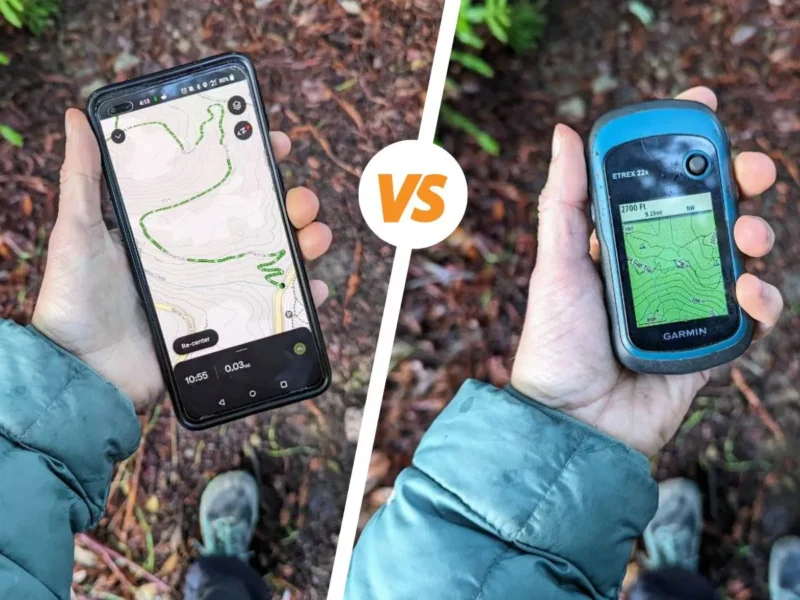
Modern hiking relies heavily on smartphones and GPS devices. But experienced hikers always assume those tools might fail.
According to hiking safety guidelines, carrying multiple navigation methods is strongly recommended because digital tools can lose signal or battery.
Common backup navigation setup:
- Primary: GPS app or device
- Backup: paper map
- Backup to the backup: compass
This layered approach ensures that even if technology fails, you still have reliable orientation tools.
| Navigation Tool | Strength | Weakness |
| Smartphone GPS | Convenient, accurate | Battery dependent |
| Paper Map | Always works | Requires skill |
| Compass | Reliable, durable | Needs knowledge |
The key is not just carrying these tools, but knowing how to use them. A compass is only useful if you understand basic navigation principles.
Water Backup Systems: Because Hydration Is Non-Negotiable
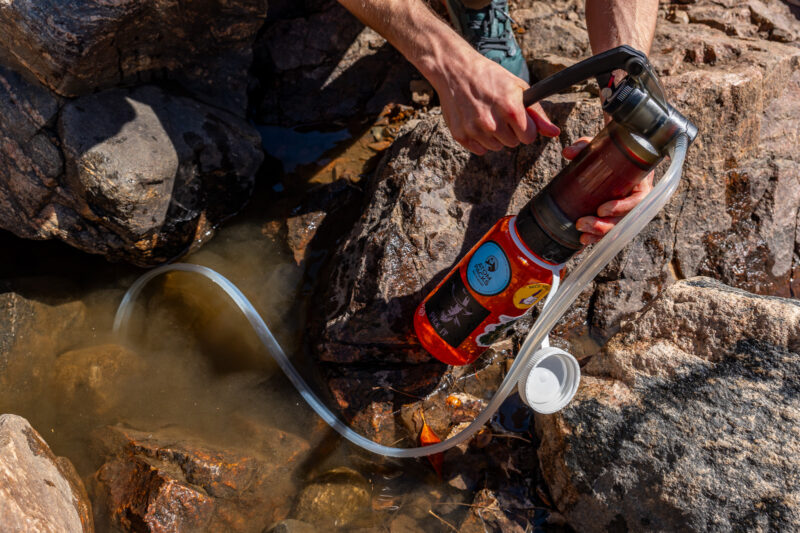
Water is one area where experienced hikers never take chances.
It’s common practice to carry more than one method of water purification. Filters can clog, UV purifiers can fail, and chemical treatments can run out.
Explains that many hikers carry multiple purification methods specifically because gear failure is not uncommon in the field.
Typical backup strategy:
- Primary: water filter
- Backup: purification tablets
- Extra: additional water supply
This redundancy ensures that even if one system fails, you can still access safe drinking water.
Smart backup habits:
- Carry extra water beyond planned needs
- Keep purification methods in separate compartments
- Test equipment before each trip
Water is heavy, but dehydration is far worse. Experienced hikers prioritize safety over minimal weight in this category.
Emergency Shelter and Clothing Layers
Weather can change rapidly, especially in mountainous or remote areas. Backup protection against the elements is critical.
Even on short hikes, experienced hikers carry some form of emergency shelter. This doesn’t mean a full tent. Lightweight options are often enough.
Common backup items:
- Emergency bivy or space blanket
- Lightweight tarp
- Extra insulating layer
- Rain protection
These items are part of broader hiking safety systems designed to handle unexpected overnight stays or exposure.
Did you know? Hypothermia can occur even in mild temperatures if you are wet and exposed.
Having an extra layer or shelter can be the difference between discomfort and danger.
Light Sources: Always Have a Backup
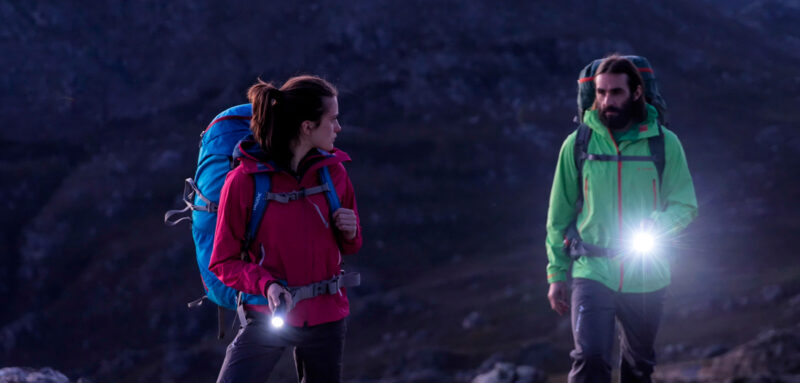
Light is another category where redundancy is essential.
A single headlamp is not enough. Batteries die, bulbs fail, and accidents happen. Many experienced hikers carry at least two light sources.
Typical setup:
- Primary headlamp
- Backup flashlight or mini light
- Spare batteries (often AAA rechargeable batteries)
This approach ensures you are never left in complete darkness, which can quickly become hazardous in unfamiliar terrain.
A simple backup light weighs very little but provides immense peace of mind.
First Aid and Repair Kits: Expect the Unexpected
Things break. People get injured. These are not rare events on the trail.
Experienced hikers carry compact but versatile kits that cover both medical and gear emergencies.
Essential backup items:
- Basic first aid kit
- Multi-tool or knife
- Duct tape or repair patches
- Blister treatment
These items allow hikers to adapt and solve problems rather than end trips prematurely.
A first aid kit is only as useful as your ability to use it.
Taking basic first aid training significantly increases the effectiveness of what you carry.
Food and Energy Reserves

Running out of food is not just uncomfortable, it affects decision-making and physical performance.
Experienced hikers always pack extra calories beyond what they expect to need.
Smart backup food choices:
- Trail mix
- Energy bars
- Dried fruit
- High-calorie snacks
These foods are lightweight, durable, and easy to store.
Notes that carrying extra food is a core part of hiking safety, especially in case of delays or unexpected overnight stays.
The rule is simple: always pack more than you think you’ll need.
Final Thoughts
Packing backup gear doesn’t mean expecting something to go wrong. It means being ready if it does.
Experienced hikers develop this habit over time, often after learning lessons the hard way. Each backup item represents a solution to a problem that has happened before.
The goal is not to overload your pack, but to build a system that supports you when conditions change.
When you hike with reliable backups, you move differently. You make better decisions, take smarter risks, and enjoy the experience more fully.
Because in the outdoors, confidence comes from preparation.