
Rainy season is not one kind of trip. In one place it means a daily afternoon shower and a spectacular green landscape; somewhere else, it can mean rough seas, landslides or a city commute brought to a crawl. The best strategy is to choose a destination where rain improves the experience-or at least does not cancel the reason you went.
For India, the southwest monsoon generally spans June to September, but its arrival and withdrawal move across the country in stages. Japan’s early-summer rainy season and Thailand’s monsoon have different regional patterns again. Treat calendar dates as a starting point, not a forecast: check local alerts close to departure, and keep outdoor plans flexible.
Where rain makes the trip better
Meghalaya and India’s monsoon-green hills
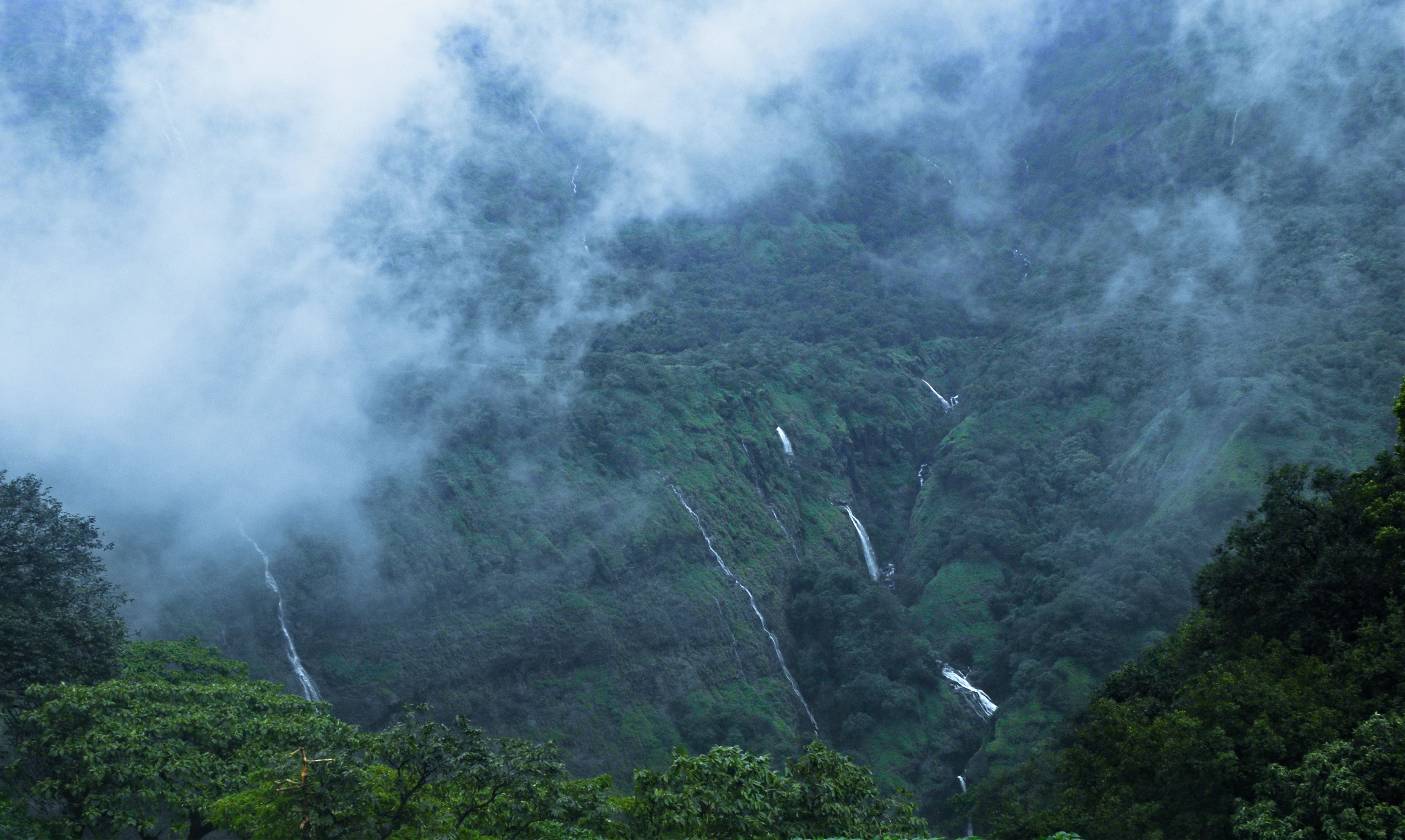
Meghalaya’s waterfalls, cloud forests and deep-green hills are compelling in the wet season precisely because the landscape is so alive. This is a good choice for travelers who enjoy slow, scenic days and can adjust routes if weather disrupts road access. It is a poor choice for a tightly packed itinerary that depends on every drive, viewpoint and outdoor walk happening on schedule.
Waterfalls are for looking at, not approaching in a downpour. Meghalaya’s government advises tourists not to venture into streams, rivers or waterfalls during monsoon conditions. Build in a dry indoor alternative, and heed local closures rather than trying to salvage a viewpoint at any cost.
Japan, with Hokkaido as the June escape
Japan’s rainy season, called tsuyu or baiu, moves through the country from south to north. The Japan Meteorological Agency’s 1991–2020 climate normals show the seasonal rain period ending later in northern Japan than in the south; Hokkaido is the notable exception to the main rainy-season pattern. For a June trip when you want gardens, city walks and outdoor time with a lower chance of persistent seasonal rain, Hokkaido is a more sensible bet than assuming all of Japan has the same weather.
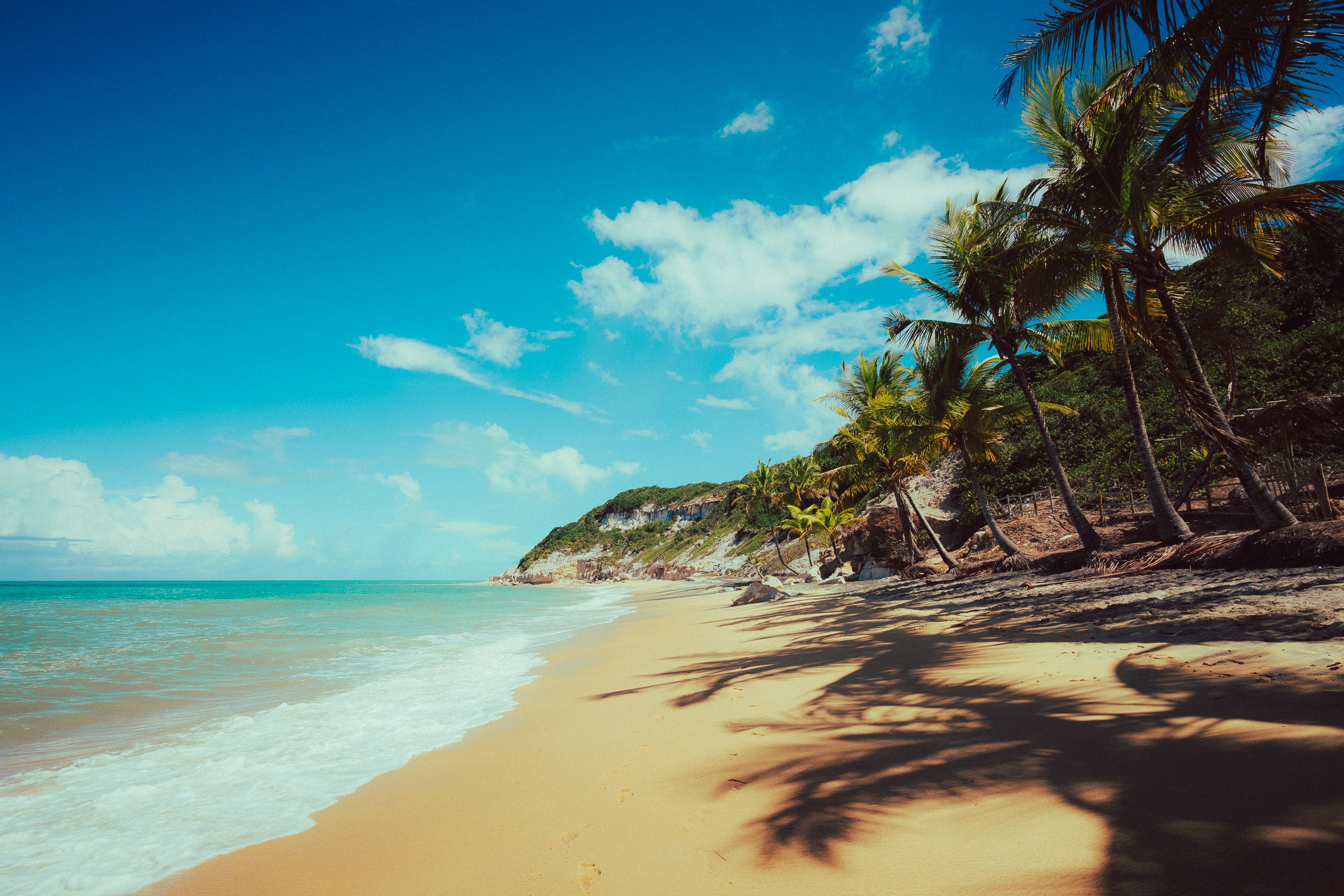
Tokyo and other cities can still work in rainy weather if you plan for indoor stops and carry a compact umbrella. A shower can turn a day of walking into a slower museum-and-café day; a forecast of prolonged heavy rain is a different matter. The official climate calendar is useful for setting expectations, but it cannot tell you what a particular week will do.
Thailand’s Gulf islands, in the right months
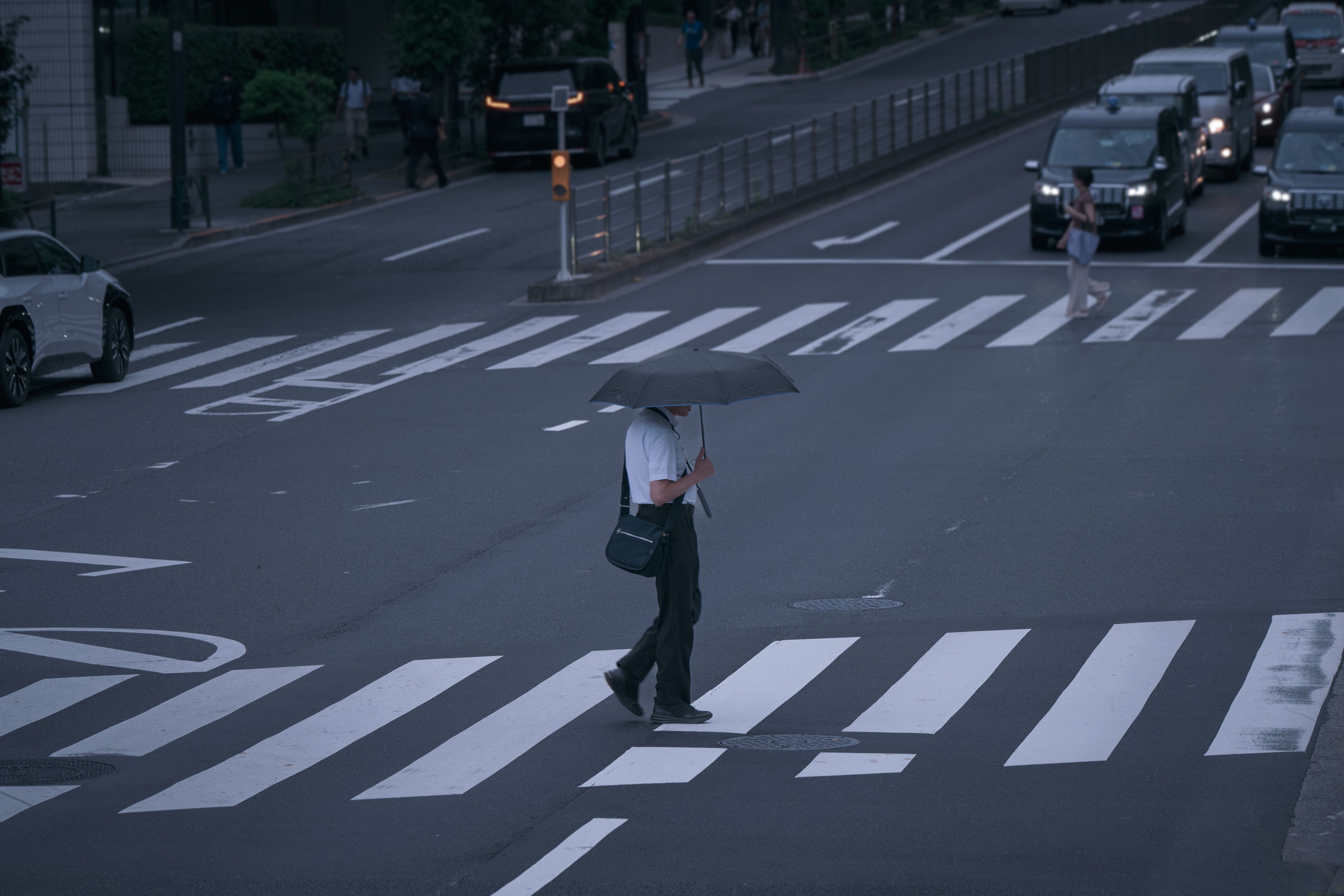
Thailand is a case where a national “rainy season” label hides useful regional differences. The government describes the southwest-monsoon season as roughly mid-May to mid-October, while also noting that the southern peninsula can remain rainy later in the year. In broad terms, the Gulf islands can be a better summer choice than the Andaman side when Phuket, Krabi or nearby beaches are in a wetter spell. That is a relative advantage, not a promise of sunshine: check the island-specific forecast and ferry conditions before you book non-refundable sea trips.
If the point of the holiday is reliably blue skies and calm beach days, choose a destination in its drier season instead of trying to outguess the monsoon. A flexible city or food-focused break is a better rainy-season wager than a beach itinerary with no backup.
Three Indian city breaks: rain plans and evening options
The directory links in this section are listings, not endorsements or weather information. Verify details independently and follow local laws and personal-safety precautions.
Delhi: keep the itinerary flexible, not canceled
Delhi can suit a monsoon city break if you leave room between outdoor sights and use rainy spells for museums, food and indoor attractions. Avoid stacking long cross-city drives into a day with a heavy-rain warning; traffic and local waterlogging can make a short route take far longer than expected. For adults considering nightlife, Delhi call girls is a local listings page; check the current information yourself.
Mumbai: think twice about a trip built around the outdoors
Mumbai’s monsoon can be atmospheric, but it is not the season I would choose for a tightly timed outdoor itinerary. If heavy rain is forecast, keep plans close to your accommodation, allow extra time for transport and avoid low-lying areas showing active waterlogging. Do not treat a rainy coastal walk or a sea excursion as guaranteed. For adult nightlife planning, Mumbai call girls is a separate local directory; verify listings and arrangements directly.
Kolkata: check local conditions before committing
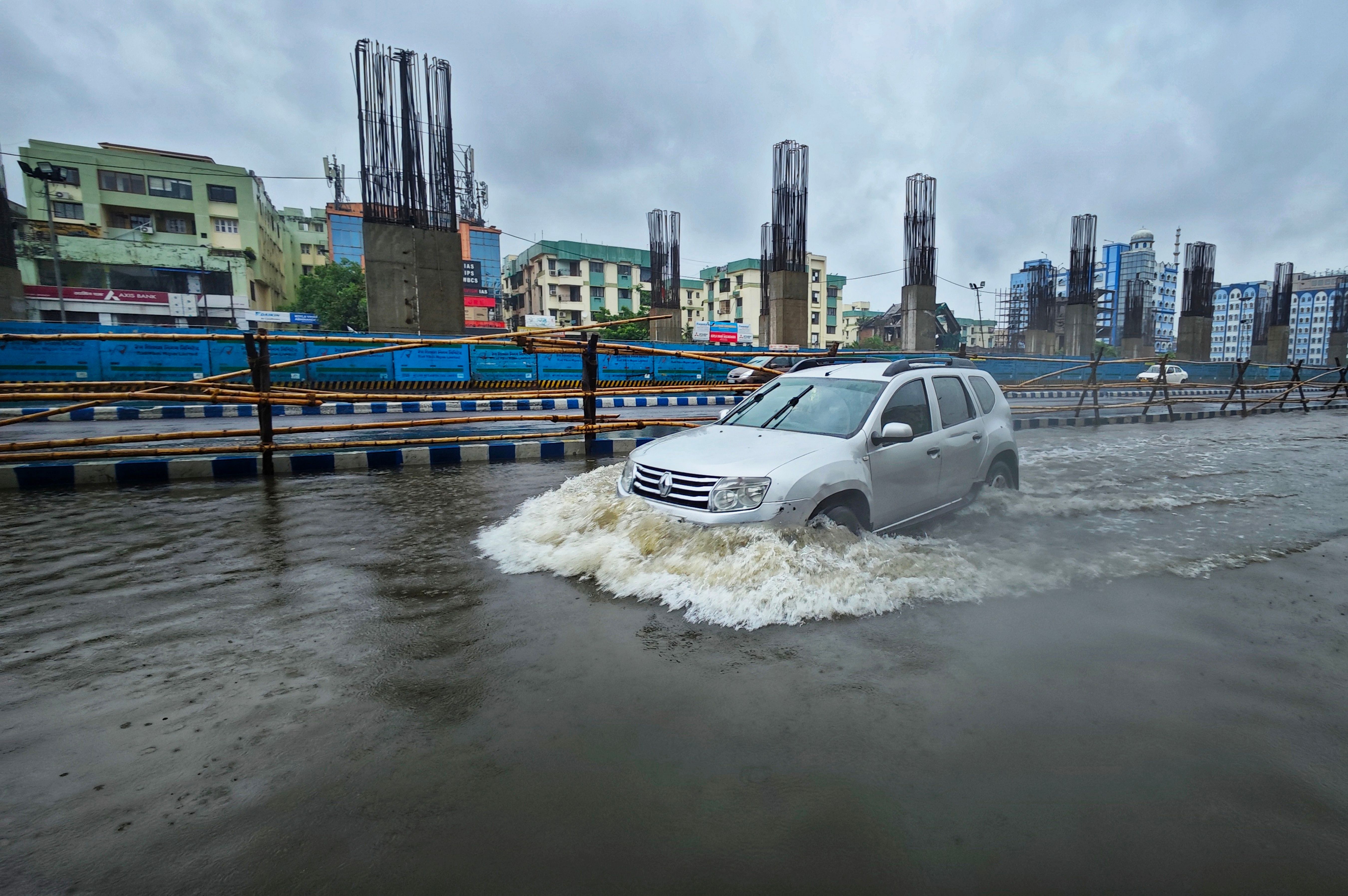
Kolkata is still a viable cultural city break when showers are manageable, but a forecast of persistent heavy rain changes the calculation-especially if your plans depend on moving across town all day. Check local transport and weather updates rather than assuming the street conditions will match a citywide forecast. The image below captures the kind of disruption that makes a flexible schedule essential. Adults researching nightlife can consult Kolkata escorts as a directory listing, not as a travel or safety recommendation.
Places to avoid at peak rain-and why
- Remote mountain routes when heavy rain is forecast. Landslides, road closures and reduced visibility can turn a scenic transfer into the trip’s main risk. Skip exposed hikes and high passes during active warnings.
- Coasts where your plans depend on boats or swimming. Monsoon weather can make crossings rough or lead to cancellations. Avoid booking a beach holiday around one must-make ferry or a day at sea.
- Low-lying urban areas during flood alerts. A city may remain open while particular streets or transit links are disrupted. If you cannot change your route or dates, choose a different time.
- Destinations whose main attraction is a specific outdoor event or viewpoint. If rain removes the one experience you traveled for, the quieter season may not be a bargain.
In practical terms, reconsider the Andaman-facing beaches of Thailand during their wettest months if calm water is central to the trip, and reconsider monsoon hill-country drives when warnings are active. Do not label an entire country “closed for rain”; choose the coast, region and activity that fit the conditions.
A simple booking rule
Travel in the rainy season when the destination has worthwhile indoor options, the main sights remain accessible in showers, and you can move plans by a day. Avoid it when your trip depends on a ferry, mountain road, exposed trail or calm sea-and you have no flexibility if those are disrupted.
That is the useful dividing line: rain itself is rarely the whole problem. A rigid itinerary in a place where weather controls access is.